Phishing Campaign Targets Crypto Users Through Fake Wallet Apps
Security researchers have identified an active phishing campaign that distributes counterfeit cryptocurrency wallet applications engineered to steal users’ recovery phrases. The fake apps closely imitate the branding of popular wallets and spread through unofficial download links, search ads, and social media messages. Once a victim enters a seed phrase, attackers can drain associated funds. Researchers recommend downloading wallet software only from official websites or verified app-store listings, verifying developer details, and never entering a recovery phrase into any app or web form. For Indian users, the alert is especially relevant amid growing retail participation and increased targeting of newer users. Reporting fraudulent apps to app stores and relevant authorities can help slow their distribution and protect others.
Key Takeaways
- Fake wallet apps aim to steal recovery phrases.
- Download wallets only from official, verified sources.
- Never enter a seed phrase into an app or website.
Summary generated by IndiCrypto from BeInCrypto. IndiCrypto is a news aggregator and does not provide investment advice. Read the original article for full context.
More in Security
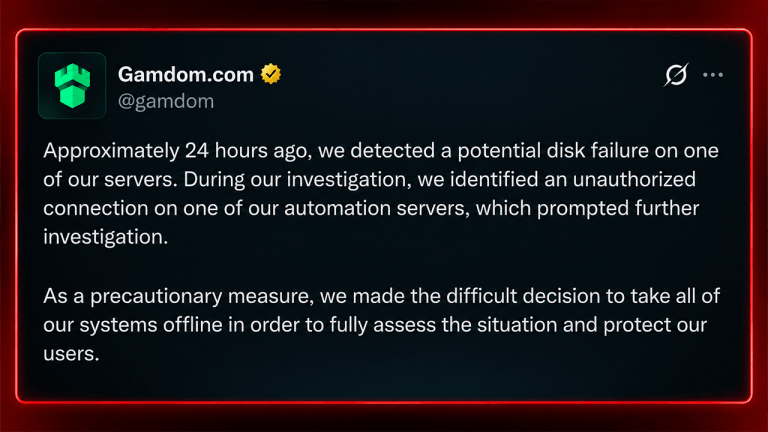
Crypto Casino Gamdom Goes Dark After a $3 Million Wallet Hack
Crypto casino and sportsbook Gamdom lost more than $3 million in an Oct. 13 hot-wallet breach, according to founder Felix Romer, although independent blockchain analysis places the damage closer to $4.2 million. The attack involved unauthorized access to an…

A Crypto Scam in Brooklyn Hit Its Victims Twice. Seized Server Data Shows How
Brooklyn District Attorney Eric Gonzalez’s office has dismantled the online backbone of a crypto scam aimed at Russian speakers. The fraud reeled victims in through Facebook ads and fake investment advisors. Investigators seized and disrupted 241 scam domains…
NBA Reportedly Hit by Another Fake Meme Coin Post, This Time on Instagram
The NBA’s official Instagram account was reportedly hacked on October 14 and used to urge followers to buy a meme coin called NBA Coin (NBA). The league has not confirmed the hack yet, and the post has since been deleted. It adds to a run of reported 2026…