Fiserv Puts Stablecoin Banking Platform Live With North Dakota Roughrider Coin

TL;DR Fiserv says its digital-asset platform is now live with financial-institution clients. Bank of North Dakota’s dollar-backed Roughrider Coin is the first live use case, with VersaBank as issuer, Fireblocks providing digital-asset infrastructure and Solana processing transactions. The launch moves stablecoin settlement closer to the core banking systems already used by conventional financial institutions. Stablecoins are moving another step away from being a crypto-only payment rail. Fiserv announced on October 1 that its digital-asset platform is live with financial-institution clients, with Bank of North Dakota’s Roughrider Coin becoming the first production use case. For a company deeply embedded in traditional banking and payments infrastructure, that is more consequential than another standalone stablecoin launch. Roughrider Coin plugs into an existing banking network Roughrider Coin is a dollar-backed stablecoin designed to improve money movement across North Dakota’s interbank network. Fiserv says VersaBank serves as issuer, Fireblocks provides secure digital-asset and tokenization infrastructure, and transactions are processed on Solana. The structure brings together several layers that banks normally have to assemble separately: issuance, blockchain settlement, wallet infrastructure and integration with core financial systems. That is where stablecoin adoption is increasingly heading. NewsBTC has already reported on Toss Bank testing Solana rails for overseas transfers and on Visa’s stablecoin treasury infrastructure for financial institutions. Fiserv’s advantage is distribution into banks that already rely on its software. The quiet battle is over settlement plumbing Most consumers will never care which blockchain processes a bank’s internal transfer. Banks care about settlement speed, liquidity, reconciliation, counterparty risk and whether a new system can connect to existing compliance controls. Stablecoins are becoming more interesting when they improve those back-end processes without forcing customers to behave like crypto traders. That is also why regulated issuers are paying more attention to reserve design and legal structure.
Key Takeaways
- TL;DR Fiserv says its digital-asset platform is now live with financial-institution clients.
- Bank of North Dakota’s dollar-backed Roughrider Coin is the first live use case, with VersaBank as issuer, Fireblocks providing digital-asset infrastructure and Solana processing transactions.
- The launch moves stablecoin settlement closer to the core banking systems already used by conventional financial institutions.
Summary generated by IndiCrypto from NewsBTC. IndiCrypto is a news aggregator and does not provide investment advice. Read the original article for full context.
More in Regulation

Spanish Police Arrest 16-Year-Old Accused of Running KillSec Ransomware Group
A second suspect faces extradition to Puerto Rico, while Investigators are tracing the proceeds of ransoms the group demanded in crypto.
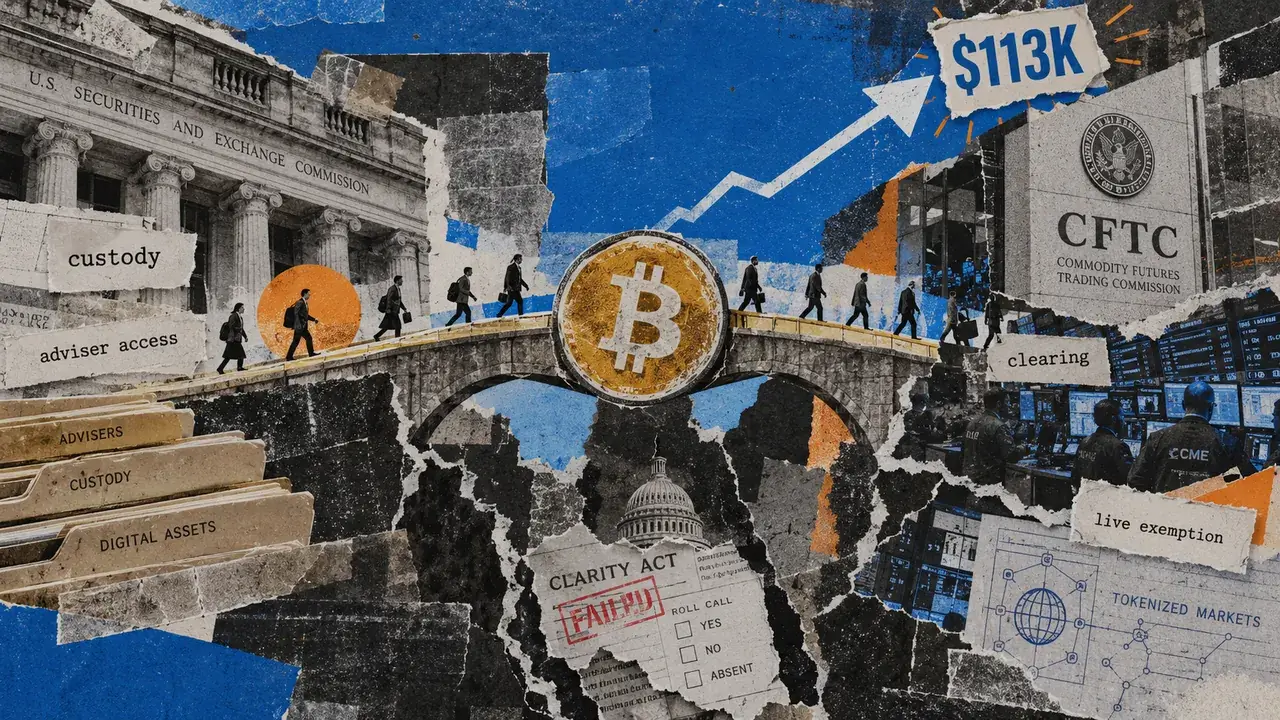
Bitcoin’s $113,000 case strengthens as US regulators push 9 crypto actions
The US Securities and Exchange Commission (SEC) proposed a custody framework on Oct. 1 that would let investment advisers and regulated funds hold crypto under rules written for it. It is the latest of nine agency actions since Aug. 18 that span most of an…

Fiserv Puts Solana Under A Live Bank Stablecoin As Roughrider Coin Goes Into Production
TL;DR Fiserv’s digital-asset platform is live, with Bank of North Dakota’s Roughrider Coin as its first production use case. Roughrider Coin transactions are processed on Solana, while VersaBank serves as issuer and Fireblocks supplies tokenization and…