Binance Hack: US Moves to Recover $1.1 Billion, but Who Gets the Money?
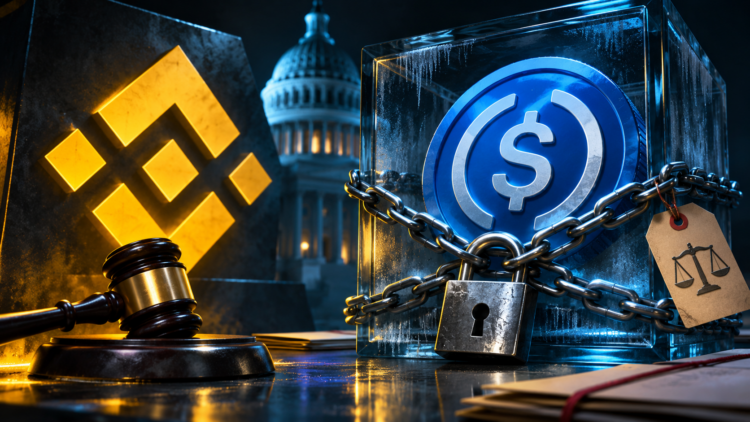
Key takeaways US authorities filed a civil forfeiture complaint on November 23 seeking more than $1.1 billion in USDC linked to the October 29 Binance hack, across 36 addresses on 18 blockchains. Circle froze the funds but says it cannot technically move them, so it proposes issuing replacement USDC to the US after a forfeiture order. Frozen is not recovered: the filings advance the legal-control stage, while final distribution and ownership remain undecided. A separate Abu Dhabi court order adds a second jurisdiction, and Circle’s reserve and supply reporting for the replacement tokens will deserve scrutiny. Nearly four weeks after the Binance hack, US authorities have filed a civil forfeiture complaint seeking more than $1.1 billion in USDC linked to the October theft. The money is already subject to restrictions, but the latest court filings reveal a complication: freezing stolen cryptocurrency is considerably easier than returning it. The complaint, filed on November 23, in the US District Court for the District of Columbia, targets USDC associated with 36 cryptocurrency addresses across 18 blockchains. Federal investigators attribute the October 29 attack to North Korean hacking groups, including the Lazarus Group. The complaint puts the value of the original theft at approximately $6 billion. For Binance, the latest legal action represents another opportunity to recover a portion of its losses. For the wider cryptocurrency industry, however, the case raises questions about the authority stablecoin issuers exercise over digital assets and what happens when governments become involved. Binance Hack Recovery Enters a New Legal Phase The assets targeted by US authorities are not an entirely new discovery. Earlier this month, NewsBTC reported that Circle had frozen approximately $1.1 billion in USDC linked to the Binance hack, following cooperation with law enforcement.
Key Takeaways
- Key takeaways US authorities filed a civil forfeiture complaint on November 23 seeking more than $1.1 billion in USDC linked to the October 29 Binance hack, across 36 addresses on 18 blockchains.
- Circle froze the funds but says it cannot technically move them, so it proposes issuing replacement USDC to the US after a forfeiture order.
- Frozen is not recovered: the filings advance the legal-control stage, while final distribution and ownership remain undecided.
Summary generated by IndiCrypto from NewsBTC. IndiCrypto is a news aggregator and does not provide investment advice. Read the original article for full context.
More in Regulation
ZachXBT Challenges the Bitcoin Trail Behind a $3 Million Gate Account Freeze
Law and Ledger is a news segment focusing on crypto legal news, brought to you by Kelman Law – A law firm focused on digital asset commerce. The opinion editorial below was written by Michael Handelsman for Kelman.Law. Four days after depositing 15 bitcoin at…

Bitcoin Reserves Just Found a New Use on Wall Street, but There’s a Catch
Key takeaways CFTC staff guidance issued on November 23 says swap execution facilities, designated contract markets and clearinghouses may count Bitcoin, Ether and qualifying payment stablecoins toward certain financial resource requirements. The advisory…

Ethereum Foundation Puts AI Ahead of Quantum. Here's What Holders Give Up
Ethereum spent years preparing for quantum computers. Now the Ethereum Foundation (EF) says artificial intelligence (AI) poses the more urgent threat to the network’s security. That has made a long-planned cryptography rebuild its top priority. For Ethereum…