Ethereum’s Co-Founder Takes On Crypto’s Next Security Threat. Who Is Vitalik Buterin?

Key takeaways Vitalik Buterin’s November 26 essay argues that crypto security must extend to the physical chips inside devices, summed up as “Not your silicon, not your keys.” He wants manufacturers to publish physical chip layouts (GDS files) so investigators can compare real hardware against the design. Researcher Andrew Huang’s infrared inspection technique (IRIS) can examine chips without removing them, but it has resolution limits and is not a universal fix. The essay is a proposal, not a claim that existing hardware wallets are compromised, and publishing it does not give Buterin power to change Ethereum unilaterally. Arkham attributes about $390 million in assets to Buterin, mostly roughly 224,000 ETH, though his true net worth is not publicly established. Who is Vitalik Buterin, and why is Ethereum’s co-founder now questioning the security of the very devices crypto investors use to protect their wealth? The 32-year-old programmer has turned his attention to a problem that even open-source software cannot necessarily solve: compromised computer chips. In an essay published on November 26, Buterin argued that cryptocurrency security needs to extend beyond software and into the physical hardware on which it runs. His message builds on one of crypto’s oldest principles, but with a new twist: “ Not your silicon, not your keys. Vitalik Buterin · Essay, November 26 For someone who helped build an alternative to centralized financial infrastructure, questioning the manufacturers behind that infrastructure seems like a natural next step. It also reflects a security philosophy that has become increasingly visible in Buterin’s work, from his push for greater privacy and quantum safety on Ethereum’s roadmap to his interest in independently verifiable computing. Who Is Vitalik Buterin? Vitalik Buterin is a Russian-Canadian programmer, researcher and writer who conceived Ethereum in 2013, at the age of 19.
Key Takeaways
- Key takeaways Vitalik Buterin’s November 26 essay argues that crypto security must extend to the physical chips inside devices, summed up as “Not your silicon, not your keys.” He wants manufacturers to publish physical chip layouts (GDS files) so investigators can compare real hardware against the design.
- Researcher Andrew Huang’s infrared inspection technique (IRIS) can examine chips without removing them, but it has resolution limits and is not a universal fix.
- Read the full article for additional context and details.
Summary generated by IndiCrypto from NewsBTC. IndiCrypto is a news aggregator and does not provide investment advice. Read the original article for full context.
More in Regulation

USDT leads borrowing on four of six DeFi protocols examined by Europe’s banking watchdog
The EU banking watchdog renewed its call to assess safeguards for crypto firms that route customers into decentralized lending. Read the full story on CryptoSlate Understand the crypto stories that matter and what to watch next. Get The Catalyst in your inbox
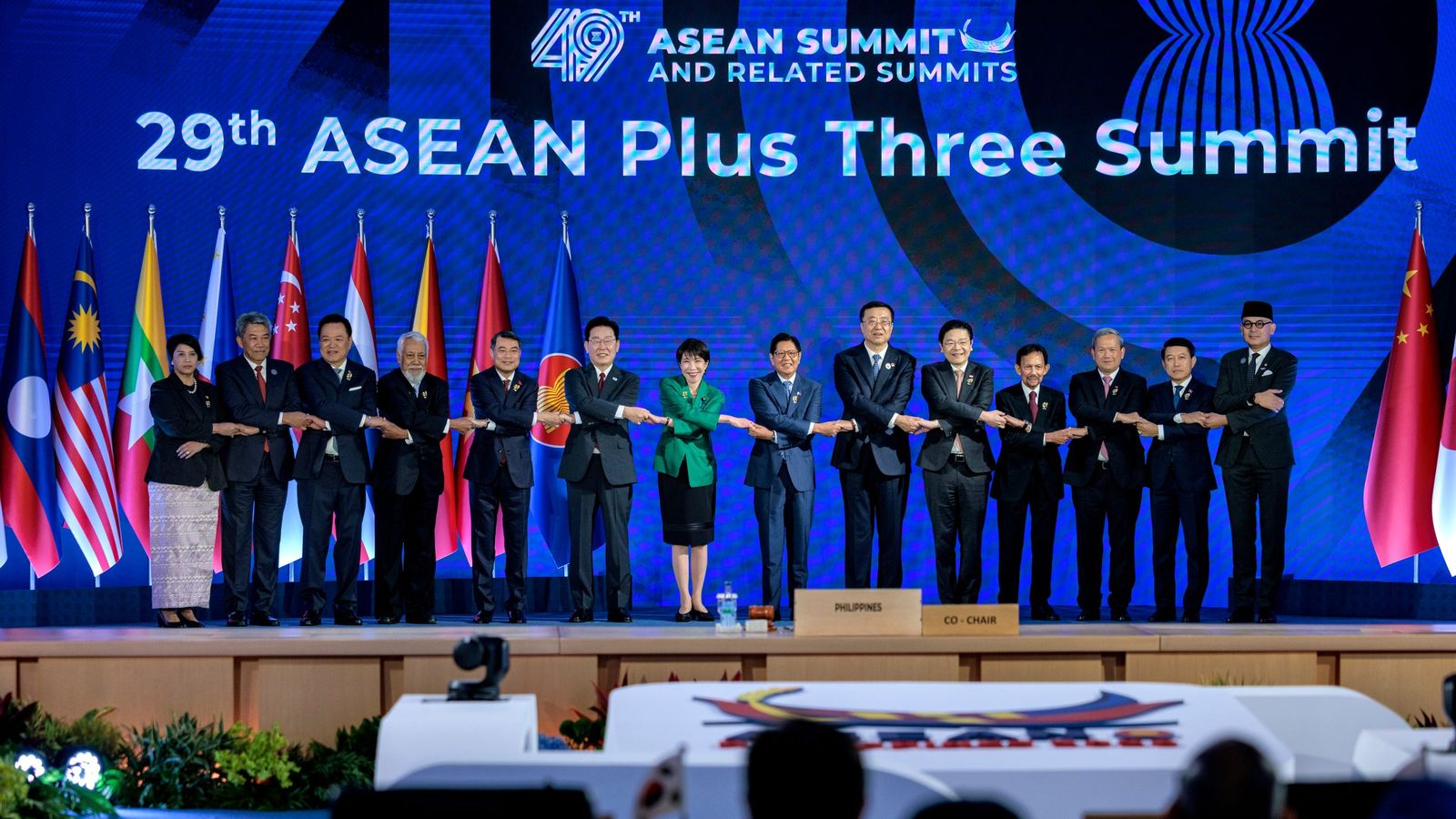
China, Japan, South Korea and ASEAN to form working group on digital payments, crypto regulation
The decision comes after the group met in May in Uzbekistan and identified cross-border digital payments as a new area of cooperation.

JPMorgan flags bitcoin ‘capitulation,’ Democrats push back on SEC’s crypto plans, and more
In today's newsletter, JPMorgan flags bitcoin 'capitulation' as Strategy's NAV multiple sinks; Democrats step up opposition to SEC's crypto plans; and more.